Food & Drink · Coffee
Why Your French Press Tastes Bitter (and How to Fix It)
Over-extraction, water temperature and steep time are the usual suspects. A few small changes restore balance.
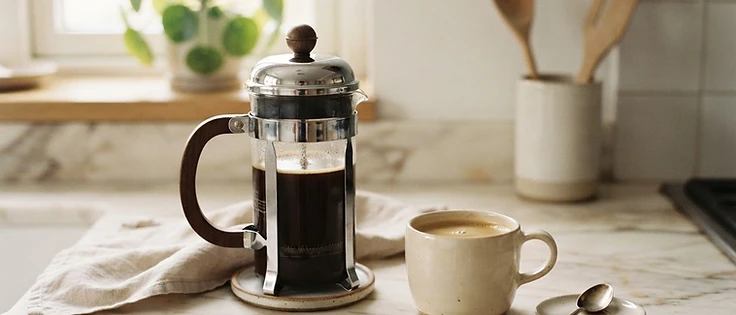
Image: Daily Roaster
The short answer
A French press is an immersion brew, which means water sits with the coffee the entire time. That gives it a long runway to over-extract. Pull the three levers — temperature, time, grind — and bitterness retreats.
Water temperature
Boiling water scorches light roasts. Aim for 92–94°C (about 30–60 seconds off a rolling boil).
Equipment for this brew
Steep time
Four minutes is the classic target, but many people leave it far longer. Set a timer and pour at the mark.
Grind size
A French press wants a coarse grind, closer to sea salt than sugar. Fine particles keep extracting after you think you are done, which is why the last cup from the pot tastes worse than the first.
Some links in this article may be affiliate links. If you buy through them we may earn a commission at no extra cost to you. It does not affect what we recommend. Full disclosure.
Sources & further reading
- Brewing fundamentals and ratio guidanceSpecialty Coffee Association
Spotted an error? Tell us — corrections are public.
Equipment mentioned

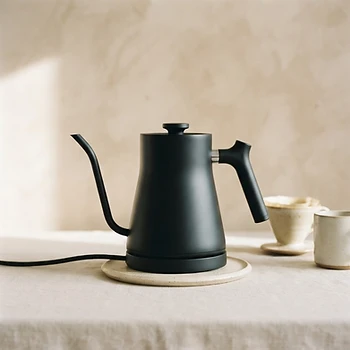
Fellow
Stagg EKG Gooseneck Kettle
Precision-pour gooseneck kettle with variable temperature control and a balanced handle. Built for repeatable pour-over brewing.

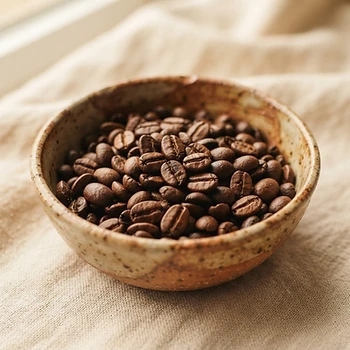
Onyx Coffee Lab
Single Origin Ethiopia Yirgacheffe
A washed Ethiopian with jasmine, lemon and stone-fruit notes. Light roast, best two to four weeks off roast.
Keep reading
article
How Much Coffee Should You Use for 500ml of Water?
For a 500ml brew, a 1:16 coffee-to-water ratio is a good starting point — about 31g of coffee. Here's how to dial it in.
Readguide
Cold Brew Coffee Ratio
A simple overnight cold brew with a 1:8 ratio, no special equipment, and a clean concentrate you can dilute to taste.
Read